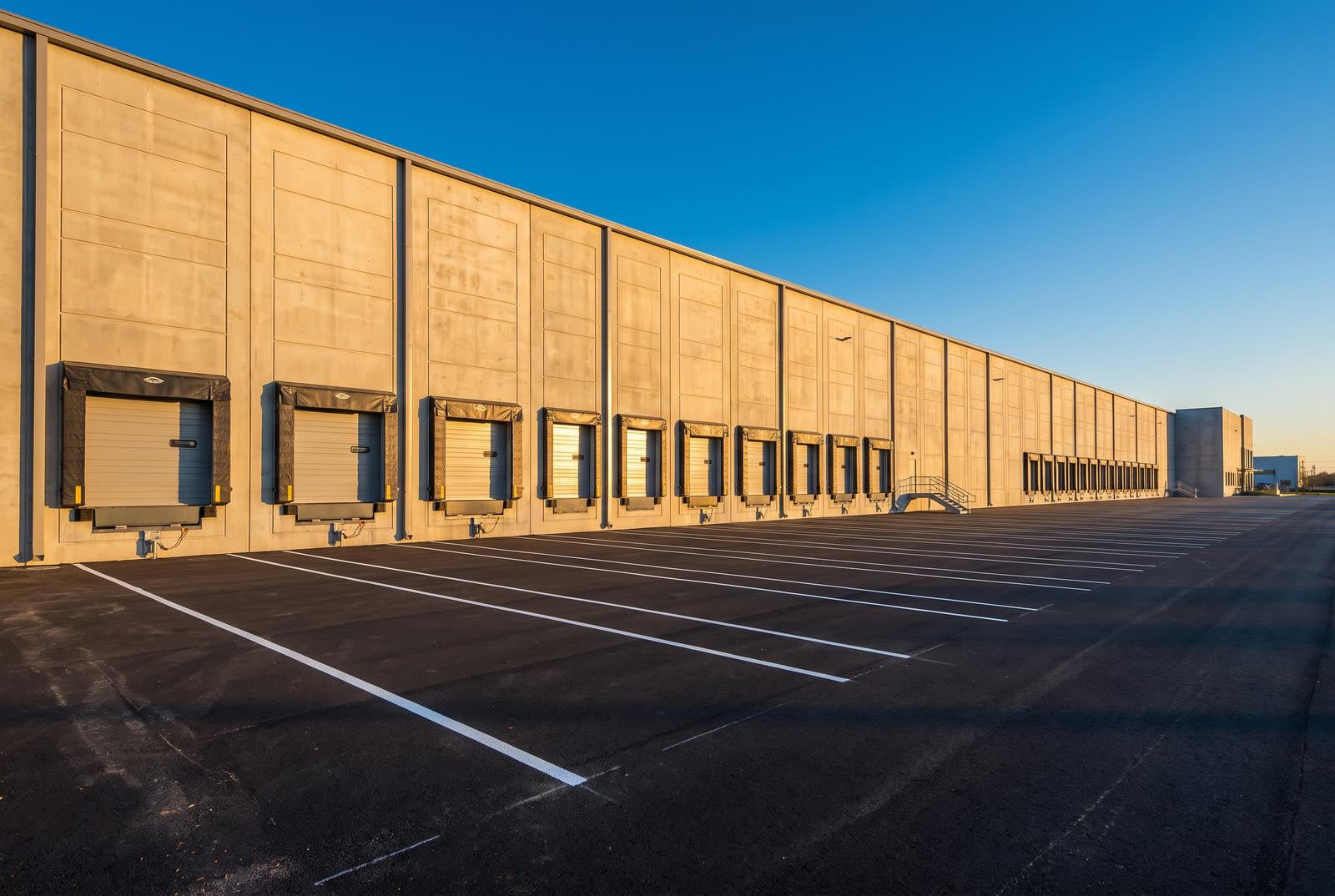
Fraser Valley Distribution Centre
Industrial · Abbotsford, BC

Commercial · Peel Region, ON
Planned preventive and reactive maintenance across a multi-site commercial portfolio in Peel Region.
Synergistix runs a planned preventive and reactive maintenance programme across a multi-site commercial portfolio in Peel Region. The scope covers interior and exterior building fabric, scheduled inspections, tiered response windows for reactive calls, tenant make-ready turnover between tenancies, and consolidated single-invoice reporting with cost broken out by site.
The challenge
The portfolio is a set of commercial properties across Peel Region under one management group. Maintenance was being bought site by site. Each building carried its own list of trades, its own invoicing, its own service history and its own idea of what constituted an urgent call. Costs could be seen per invoice but not per building over time, and never across the portfolio.
That structure fails in two predictable ways. Deferred work accumulates invisibly, because nobody is comparing the roof at one property with the roof at another until one of them leaks. And reactive spending rises, because work that would be cheap on a schedule becomes expensive as an emergency call-out. The management group needed the position across all sites, not a folder of invoices per site.
Property managers are measured on tenant retention, on operating cost and on how quickly a vacant unit is returned to a lease-ready condition. A maintenance arrangement has to serve all three. That requires a defined programme with response commitments the manager can quote to a tenant, not a list of numbers to call.
Our approach
Each property was surveyed and given an asset and condition record covering the interior and exterior elements the programme is responsible for. From that record a planned inspection and service calendar was built per site, seasonally weighted so that roof and drainage work lands before the freeze-thaw cycle and parking lot and exterior repairs land in the working season. Reactive calls are then handled inside the same programme, by the same crews, against the same records, rather than through a separate arrangement.
Every reactive call is triaged into a priority tier when it is logged, and each tier carries a defined attendance window. The purpose is not speed for its own sake. It is that a property manager can tell a tenant what will happen and when, and be right. Tiering also stops genuine emergencies from queueing behind cosmetic work, which is the usual failure mode when everything is treated as urgent.
| Tier | Typical trigger | Attendance |
|---|---|---|
| Emergency | Active water ingress, security breach, hazard to life or property | Same day, crew dispatched on logging |
| Urgent | Failure affecting tenant operations, access or egress | Next business day |
| Routine | Fabric damage, minor leaks, hardware and finish defects | Scheduled within the working week |
| Planned | Condition items raised at inspection, deferred repair, upgrades | Batched into the next site visit |
Turnover work is scoped before the outgoing tenant vacates wherever access allows, so the make-good list, the pricing and the crew booking exist on the day the keys come back rather than starting from that day. Alterations requiring reinstatement are identified against the lease. Paint, flooring, lighting and washroom items are reset to a defined lease-ready standard, and the unit is photographed and reported on completion so the leasing team can show it without a second visit.
Outcome
The management group now sees the portfolio as one position. Planned work runs on a published calendar per site, reactive calls are triaged against defined tiers, and every site carries a dated record of what was inspected, what was repaired and what was recommended. The recommendations carried forward become the following year’s planned scope instead of the following year’s emergency calls.
The shift that matters in a portfolio programme is the spending mix. Work bought as an emergency costs more than the same work bought on a schedule, and the difference compounds across a portfolio. Moving items from the reactive column to the planned column is the measurable objective, and the inspection record is what makes that movement visible to the owner.
Industrial · Abbotsford, BC
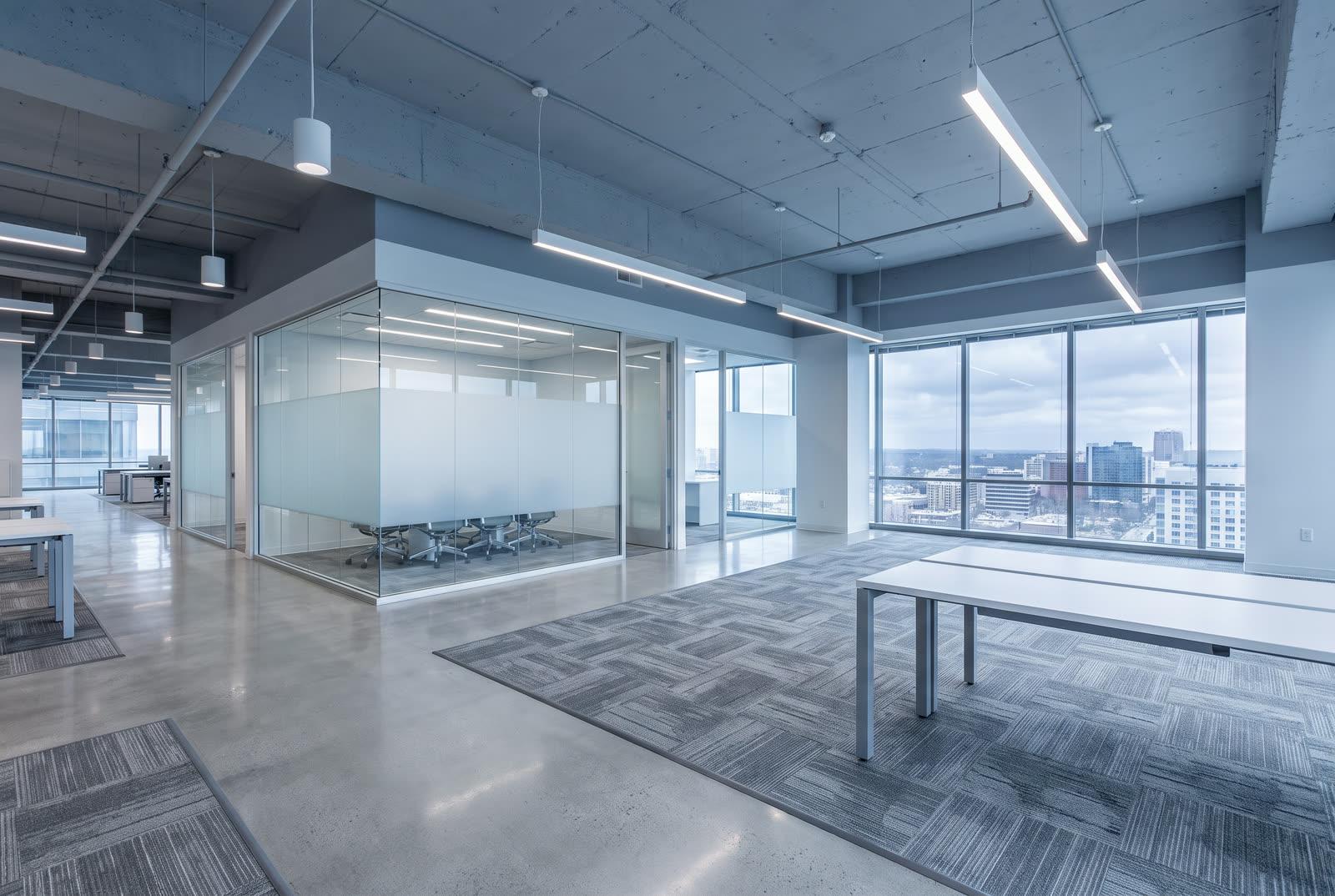
Commercial · Mississauga, ON
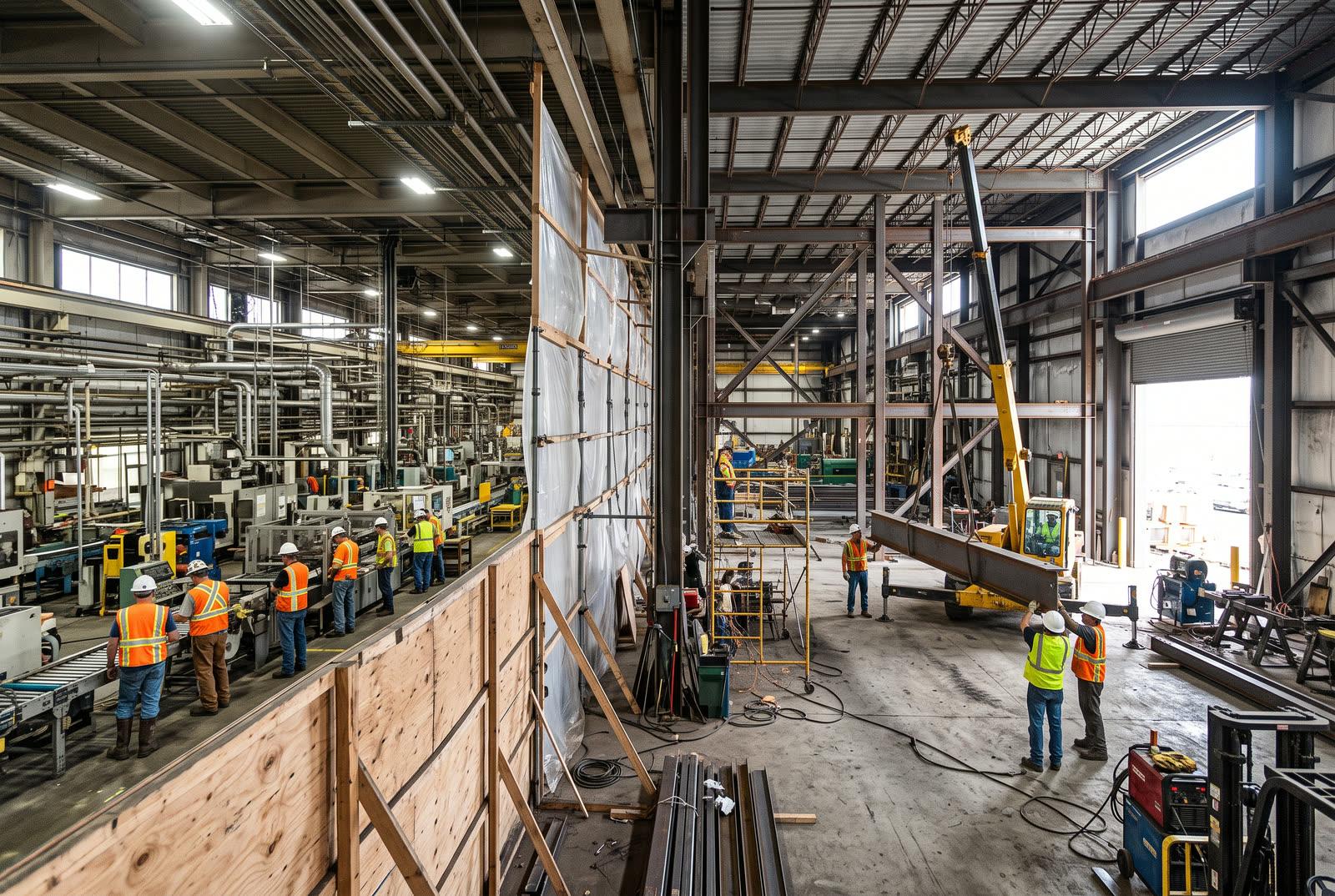
Industrial · Surrey, BC
Send drawings, a scope outline, or the problem you are trying to solve. We will tell you which delivery model fits and what it should cost.